Mountain Escapes: Trails, Peaks, and Panoramas
Find your perfect mountain escape: essential tips for trails, peak-bagging, safety, and the best panoramas from beginner hikes to alpine epics.
Gateway to the Highlands. The first steps beyond a busy valley into the hush of rising slopes feel like crossing a secret threshold. Gravel crunches, air sharpens, and horizons expand as the trailhead yields to forest shade and bright alpine meadows. Mountain travel is both motion and mindset: a deliberate slowing that lets you notice lichen on a boulder, cloud shadows sliding across a distant ridge, and the cooling breeze that accompanies small gains in elevation. With each switchback, the world below recedes and new panoramas unfold, layered with ridgelines and glimpses of glacial cirques. The appeal is universal, whether you favor quiet woodland paths or airy ridges where ravens ride thermals. What unites every escape is a sense of serenity and perspective, a recalibration that persists long after the descent. Begin with curiosity, give yourself generous time, and let the mountains set the pace that your senses have been seeking.
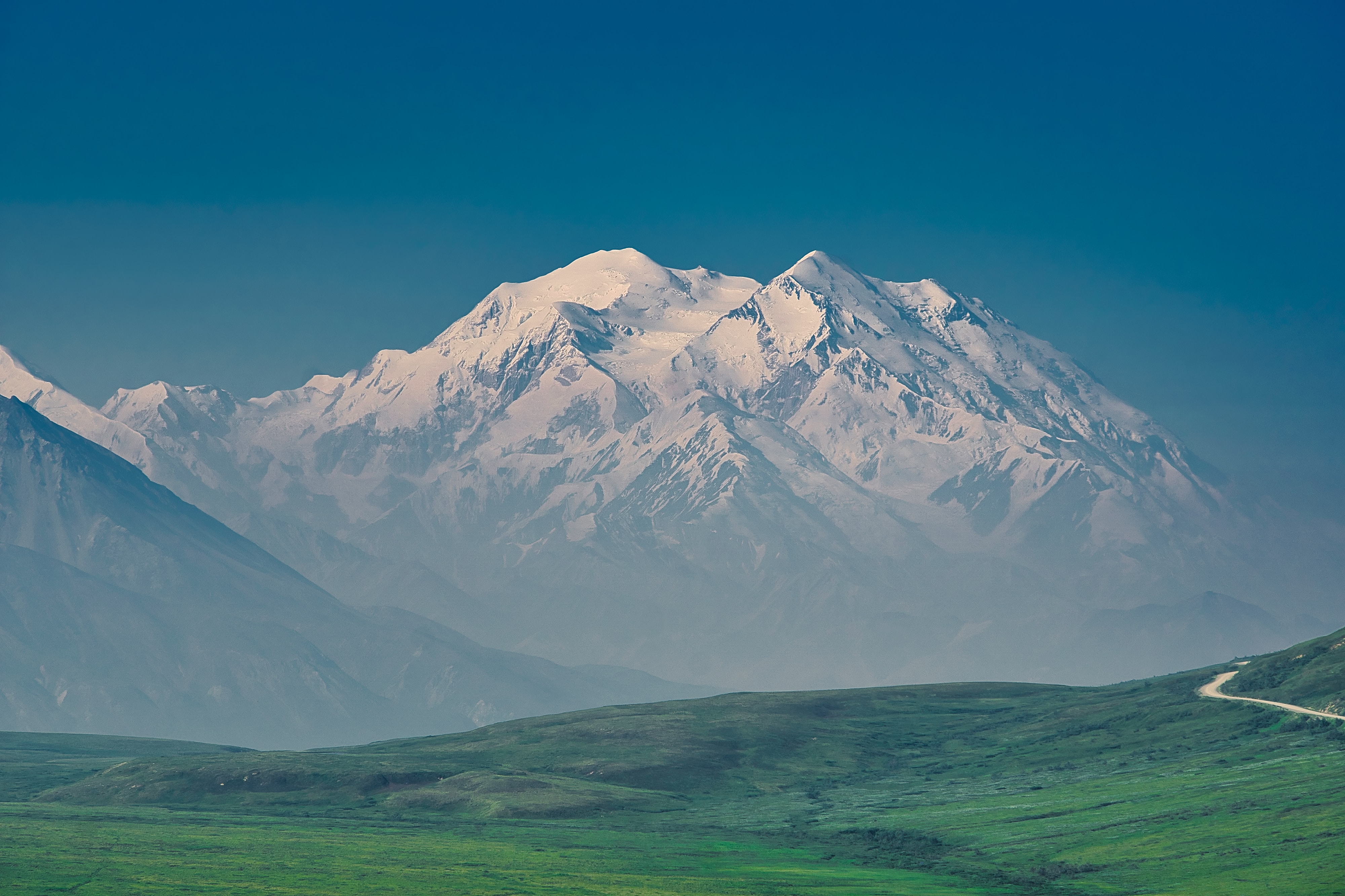
Choosing the Right Trail. Selecting a route shapes the entire experience, so pair your ambitions with realistic assessments of distance, elevation gain, and terrain. Guide descriptions and contour lines reveal whether you will cruise along smooth singletrack, zigzag steep switchbacks, or negotiate a brief scramble near the crest. Choose a weather window that favors visibility and stable footing, adjusting plans when conditions turn marginal. Study a topographic map to anticipate water sources, shade, and exposure, marking waypoints for decision points and potential turnarounds. Start earlier than feels necessary to bank cool hours and flexibility. If traveling with a group, match the route to the most cautious member and agree on communication cues. Remember that every breathtaking summit day begins with a thoughtful route that fits your capacity. Resist the temptation to stack too many objectives, and let a single well-chosen trail become the day's quiet triumph.
Essential Gear and Skills. Mountains reward preparation. Aim for layering that adapts to shifting wind and temperature: breathable base, warm mid, and a waterproof shell. Reliable footwear with supportive soles and grippy lugs boosts confidence on wet rock and loose scree; pack light traction if icy patches linger. Trekking poles steady knees on descent and help maintain rhythm on long climbs. A brimmed hat, sunglasses, and broad-spectrum sun protection are invaluable at altitude. Carry ample water, a compact filter, and energy-dense snacks to keep metabolism steady. For navigation, bring a map and compass as primary tools and use a GPS device as a supplement, not a crutch. A minimalist first-aid kit, emergency bivy, and headlamp create margin when plans stretch. Practice simple route-finding, pace management, and controlled breathing before tackling bigger days. Good systems lighten the mind, letting attention drift from logistics to the textures, colors, and sounds that make mountain travel unforgettable.
Peaks Worth the Push. The magnetism of a high point is hard to ignore. Whether the day's goal is a rounded hill with sweeping grasslands or a proud spire guarded by talus, a summit bid is ultimately about savoring the journey. Expect false summits and celebrate them as progress markers, not disappointments. Watch for exposure and set a clear turnaround time that respects weather, daylight, and group energy. Smooth granite slabs, wind-sculpted ridges, and volcanic cones each demand different footwork; move deliberately and keep three points of contact when terrain turns airy. Uphold ridge etiquette by yielding to uphill hikers, minimizing loose rockfall, and communicating calmly at narrow passages. At the top, pause to read the landscape: watersheds, ancient folds, and the paths you traced to arrive. The descent is its own art, calling for patience, precise steps, and gratitude for gravity's quiet assistance.
Panoramas and Photography. Mountains gift panoramas that challenge and delight photographers, from mist-draped valleys to crystalline horizons. Compose with the rule of thirds and use leading lines—a curving path, a meandering stream, a ridgeline—to guide the eye toward the subject. Add foreground interest like wildflowers, textured rock, or a partner's silhouette to create depth and scale. Balance bright skies and shadowed slopes by metering for midtones or experimenting with bracketing to blend exposures later. Keep the camera secure in variable wind, and protect electronics with a small dry bag. Most importantly, prioritize safety and preservation over the shot: stay on durable surfaces, avoid cliff edges in gusts, and never trample delicate plants for framing. Let the scene set the rhythm, taking time to breathe, look, and wait for shifting light to reveal forms you missed at first glance. Photographs become anchors that return you to the moment's stillness.
Wildlife, Flora, and Ethics. Every mountain corridor is a living tapestry of wildlife routes and resilient plants. Practice Leave No Trace by staying on established paths, packing out all waste, and giving sensitive alpine vegetation the space it needs to thrive. Observe animals from a respectful distance, keeping food secured to prevent habituation and protect natural behaviors. Dawn and dusk often bring heightened activity; maintain quiet awareness and minimize sudden movements. Seasonal blooms, twisted krummholz, and hardy lichens testify to patience and adaptation—let that inspire your pace. Where trails cross fragile soils or tundra, step carefully on rocks or boards to reduce impact. Share the path with courtesy, announcing your approach and yielding on narrow sections. Small choices—like dispersing rest stops and avoiding shortcuts—preserve wildlife corridors and the calm others seek. Treat every encounter as a privilege, and your presence becomes part of the landscape's ongoing resilience rather than a disturbance.
Culture, Food, and Stays. Mountain regions pulse with human stories as captivating as the scenery. Villages near trail networks offer guesthouses, rustic refuges, and family-run cabins where warm hospitality softens tired legs. Sampling local cuisine—hearty soups, grain breads, alpine cheeses—connects you to traditions forged by weather and altitude. Spend time at small markets, listen to regional music, and ask about seasonal festivals or crafts that sustain livelihoods throughout the year. Simple hut etiquette matters: store boots neatly, keep shared spaces tidy, and honor quiet hours so early hikers can rest. Traveling respectfully also means learning a few greetings, asking permission before photographing people, and supporting local guides and artisans whose knowledge deepens your understanding of place. Not every refuge has charging stations or strong signals, so carry a small power bank and relish the calm nudge toward digital minimalism. Your presence becomes an exchange, not just a checkpoint on a map.
Mindful Planning and Lasting Impact. Thoughtful preparation turns a good trip into a transformational one. Build in acclimatization when climbing higher, hydrating steadily and hiking at a conversational pace to keep energy balanced. Track weather with a conservative eye and adopt a flexible mindset that welcomes a scenic low pass when a lofty summit is unwise. Pack a Plan B and an early turnaround time to make choices calmly. For sustainable travel, favor public transit or carpooling to trailheads when feasible, refill bottles at community taps, and choose reusable containers that reduce waste. Support stewardship groups through donations or volunteer hours, and leave thoughtful notes in hut books that celebrate responsible practices. On trail, take periodic pauses to journal, breathe deeply, and notice small details—a curled fern, granite flares, birdsong carried on wind. The mountain's greatest gift is perspective; carry it home and let it shape future journeys with care.