Mastering Monochrome: Outfits That Always Work
Monochrome dressing is the simplest path to sharp, effortless style. Learn palettes, textures, proportions, and formulas for outfits that always work.
The Monochrome Advantage: Monochrome dressing is the art of building an outfit around a single color family to achieve effortless cohesion, instant polish, and visual length. By keeping your look tonal, you reduce noise and let silhouette, texture, and fit do the talking. The power lies in nuance: combine tints, shades, and undertones so the result feels rich rather than flat. Think deep, inky bases with softer mid-tones and a pale highlight, or warm, earthy notes layered from light to dark. A monochrome palette works across neutrals and saturated hues alike, proving adaptable for casual days, office hours, and evening plans. It streamlines packing, supports capsule wardrobe goals, and encourages smart repetition of well-loved pieces. To avoid monotony, vary fabric and finish—matte paired with subtle sheen, crisp with drape, smooth against grain. The outcome is quietly striking, versatile, and timeless: a reliable formula that flatters most body types and simplifies getting dressed without sacrificing personal style.
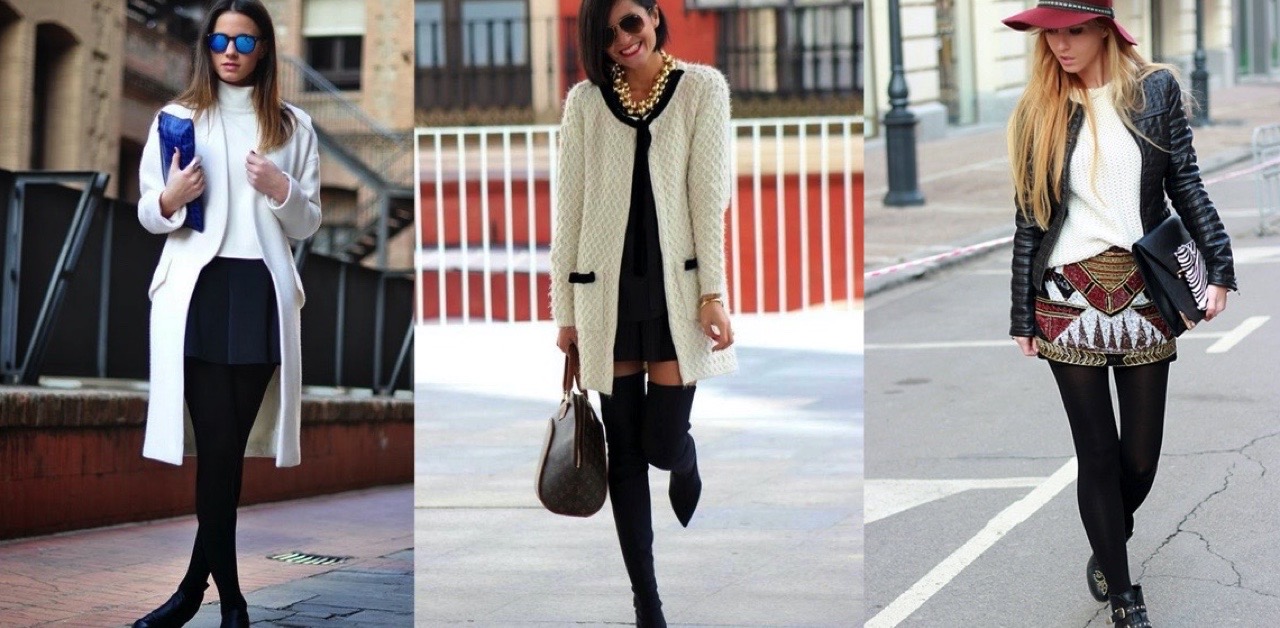
Fit, Proportion, and Silhouette: Successful monochrome outfits begin with impeccable fit. When color is constant, the eye focuses on proportions, hemlines, and lines of movement. Aim for a clean foundation: tailored trousers that skim, a knit that grazes without clinging, or a structured blazer that defines the shoulder and nips the waist. Use proportion play to your advantage. Combine a cropped jacket with wide-leg pants to lengthen the leg, or balance a fluid midi skirt with a close-fitting top to create a graceful silhouette. Tucking and cuffing can subtly adjust the body's visual balance, while necklines frame the face and influence the outfit's mood. In monochrome, seams, pleats, and darts become focal details, so seek crisp construction and smart placement. When in doubt, a column of color—top and bottom in the same tone—creates uninterrupted verticality, then add a layer or accessory to define shape. This approach reads refined, modern, and intentionally composed.
Texture, Fabric, and Finish: The secret to dynamic monochrome is texture. Mixing fabric weights and finishes adds depth while staying faithful to one palette. Contrast plush with sleek, ribbed with smooth, or fuzzy with polished: a soft knit beside a structured twill, brushed wool against satiny drape, or supple leather meeting crisp poplin. Even subtle shifts—micro-ribs, pebbled grains, faint sheen—catch light differently and build dimension. Consider seasonality: airy cottons and breathable blends for warmth, dense weaves and insulating knits for cool days. Choose matte textures for daytime ease, then introduce a trace of gloss for evening lift. Maintain cohesion by keeping tones aligned; a slightly lighter or darker shade amplifies interest without breaking the tonal story. Avoid head-to-toe sameness in a single flat fabric, which can appear heavy. Instead, layer complementary surfaces so the outfit feels tactile and alive. Care matters too—well-pressed pleats, lint-free knits, and conditioned leathers ensure your monochrome reads intentional rather than accidental.
Accessories and Intentional Details: In a single-hue look, accessories do precision work. Choose belts, shoes, and bags within the same tonal range to maintain flow, or use a controlled shift—one step lighter or darker—for gentle contrast. Treat metallics as neutrals; a consistent hardware finish across jewelry, zippers, and buckles keeps the story cohesive. Minimalist shapes emphasize line, while sculptural pieces add focal interest without disrupting unity. Texture counts here too: suede next to smooth leather, hammered metal beside glossy enamel, or a woven belt against a sleek dress. Subtle patterns within the palette—herringbone, basketweave, micro-rib—enrich without overwhelming. Coordinate grooming touches thoughtfully: a refined watch strap, clean eyewear frames, and polished edges on hems and cuffs. Be mindful of overmatching; exact duplicates of color across different materials can clash if undertones disagree. Instead, aim for harmony through tone, finish, and proportion, letting accessories reinforce your outfit's structure and intention.
Everyday Formulas, Any Occasion: Build a few reliable styling formulas and repeat them across colors. Start with a streamlined base—tailored pants or a column dress—then add a layer in a neighboring shade for depth. For work, try structured separates with a sleek belt to define the silhouette, finishing with low-profile shoes in the same family for uninterrupted lines. Off-duty, swap in relaxed knits, pliant denim, or drapey trousers, keeping textures varied to avoid flatness. For evening, introduce a hint of sheen via satin, polished leather, or refined jewelry that still respects the palette. Outerwear is your anchor: a coat one tone deeper than your base grounds the look and transitions smoothly between settings. Small swaps—sneakers to loafers, minimalist tote to compact clutch—shift formality without rewriting the outfit. Travel becomes simpler: cohesive pieces mix and match effortlessly, and everything works together. With practice, monochrome transforms from trend to signature—confident, versatile, and endlessly wearable.