Lip Care 101: Smooth, Plump, and Hydrated
Get soft, supple lips with a simple routine: smart ingredients, gentle exfoliation, daily SPF, and pro plumping tips that really work.
Know Your Lip Skin — The lips have uniquely delicate skin with a very thin stratum corneum and no natural oil glands, which is why they lose moisture quickly and can look dull without care. Understanding this anatomy is the foundation of smart lip care. To keep your lip barrier resilient, think in layers: start with humectants like glycerin and hyaluronic acid to draw in water, follow with emollients such as shea butter or squalane to soften, and finish with occlusives like petrolatum or waxes to lock everything in. Ingredients such as ceramides and cholesterol support barrier repair, while soothing agents like aloe, bisabolol, and panthenol calm sensitivity. Because lip skin has less melanin, daytime protection matters; seek balms that pair moisture with SPF for comprehensive defense. Notice how climate, indoor heating, or frequent mask use affect comfort, and adjust your routine accordingly. With consistent attention, lips stay smooth, plump-looking, and comfortably hydrated.
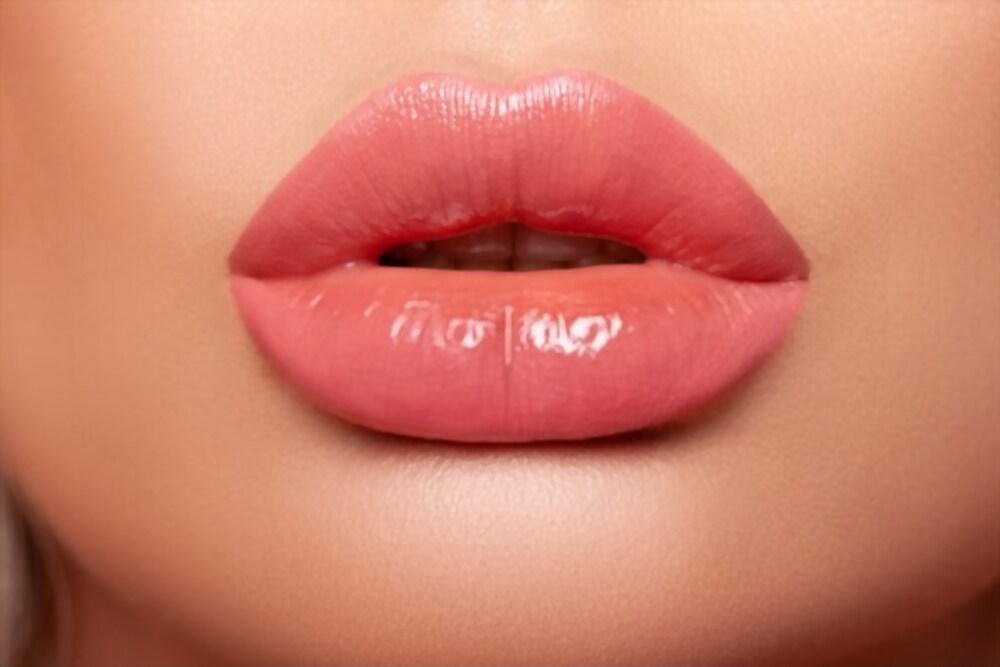
Build a Daily Ritual — A simple, consistent routine beats occasional overdoing. Morning, cleanse gently with water or a soft, damp cotton pad to remove residue without stripping. Apply a thin layer of a humectant-rich formula, then seal with a comforting lip balm; during the day, reapply a balm that includes SPF whenever you eat, drink, or spend time outdoors. Evening, fully remove makeup and pigments to prevent dryness, then layer hydration again and top with an occlusive to minimize overnight water loss. Add gentle exfoliation one to three times weekly, not daily, to maintain smooth texture without irritation. A brief lip massage with clean fingers can boost circulation and improve product absorption. Keep a balm in key spots—desk, bag, nightstand—so consistency is easy. The aim is a repeatable ritual that shields your lip barrier, sustains moisture, and supports a naturally plump, comfortable look.
Hydration From Within — Topicals thrive when internal habits support them. Prioritize internal hydration by sipping water steadily, and consider mineral-rich options to maintain electrolyte balance that helps your body actually use the fluids you drink. Build meals with hydrating produce and healthy fats; omega fatty acids from foods like flax or chia support supple skin, while nutrients such as vitamin C aid collagen maintenance and vitamin E provides antioxidant support. Limit the cycle of lip-licking, which evaporates quickly and worsens dryness, and be mindful of excess caffeine or alcohol, both of which can increase water loss. Environmental tweaks matter too: a humidifier in dry rooms helps, and breathing through your nose reduces air flow over lips. Pair these habits with humectants on the surface and you create a powerful moisture sandwich—hydration pulled in from the inside, captured at the skin, and sealed with an occlusive, keeping lips soft, comfortable, and resilient.
Exfoliate the Smart Way — Smooth lips start with controlled, gentle exfoliation that respects your barrier. Begin with a warm, damp cloth compress for a minute to soften dry flakes. If you prefer physical exfoliation, choose ultra-fine textures like sugar blended with a cushiony oil, and use light, brief pressure to avoid microtears. Chemical options such as low-strength AHAs like lactic acid can be effective, especially for stubborn roughness; apply sparingly and always patch test first. Avoid minty, gritty, or spicy scrubs that sting, which may signal irritation rather than efficacy. Frequency is key: one to three sessions per week is usually enough, followed immediately by humectants, emollients, and an occlusive to protect the fresh surface. Signs of over-exfoliation include stinging, redness, and increased peeling—if you notice these, pause and focus on barrier repair. Done right, exfoliation refines texture, improves lipstick application, and enhances the look of plump, even-toned lips.
Plump Without Pain — A fuller look relies on hydration, circulation, and clever product choices more than intense tingle. Layer hyaluronic acid beneath a softening emollient and seal with an occlusive to create a quick, cushiony plump effect. Look for peptides and gentle volumizing complexes that encourage water retention without harsh irritation. If you react to spicy or mentholated plumpers, skip them; a few minutes of fingertip tapping or a short lip massage can stimulate circulation and enhance color naturally. For makeup days, define your lip contour with a soft pencil close to your natural shade, slightly overlining at the cupid's bow and center of the lower lip for believable dimension. A touch of gloss or balm at the center amplifies light reflection, making lips appear fuller. Consistency with barrier-supportive care builds lasting suppleness, so your lips look naturally smooth, pillowy, and healthy even without makeup tricks.
Guard Against the Elements — Weather and indoor environments can rapidly dehydrate lips, so plan proactive protection. In the sun, use a balm with SPF and reapply diligently, especially after eating or swimming. Wind and cold pull moisture from the surface; cushion lips with a thicker occlusive layer before heading out, and cover with a scarf when possible. Dry indoor air from heating or air conditioning calls for a bedside humidifier and a richer nighttime routine—think hydrating serum, emollient balm, then an occlusive for masking overnight moisture loss. Before workouts, apply a protective layer to counter heavy breathing and sweat salt. Travelers can prep with frequent reapplication and a refillable balm within reach. Throughout the day, avoid habitual licking or biting that accelerates dryness, and sip water steadily. By anticipating environmental stressors and insulating the lip barrier, you maintain comfort, reduce chapping, and keep lips hydrated and resilient year-round.
Troubleshoot and Maintain — If your lips stay flaky or tender, simplify. Switch to fragrance-free, dye-free formulas and minimize potential irritants like certain essential oils or strong flavors. Practice allergen avoidance by introducing one new product at a time and monitoring your response. Keep hygiene tight: wash hands before application, avoid sharing balms, and clean applicators to reduce microbes. Retire old products periodically to prevent degradation. If you wear long-wear pigments, fully remove them each night with a gentle, oil-forward cleanser to prevent lingering dryness. Track triggers—spicy foods, very salty snacks, or extreme weather—to guide smarter choices. Build consistency into your day with habit cues, like applying balm after brushing teeth or washing hands. For a reset, commit to a week of simple humectant, emollient, and occlusive layering. Thoughtful product rotation, patient observation, and steady routines will keep lips smooth, comfortably plump, and deeply hydrated over time.