Footwear Fundamentals: Choosing the Right Shoes for Any Look
Master fit, form, and function: the smart way to pair sneakers, loafers, boots, and heels with your style, occasion, and comfort needs.
Fit First: Understanding Your Feet
Your best style starts with fit. Before thinking about trends, learn your foot shape: arch type (neutral, flat, or high), overall width, and foot volume. Measure both feet at the end of the day, when slight swelling reveals your true size, and fit the larger foot. Look for a supportive heel counter, a roomy toe box that lets toes splay, and a flex point that bends where your foot naturally bends. Try shoes with the socks you plan to wear, walk on different surfaces, and notice any hotspots. A secure midfoot with slight heel grip is ideal; slipping or pinching means the last is wrong. Consider arch support and the option to use removable insoles if you need custom comfort. Breathable materials help manage moisture and odor. A short break‑in is normal, but pain is not. Prioritize comfort and structure first; style that fits well always looks sharper than a gorgeous pair that rubs, blisters, or tires you out.
Proportion And Silhouette: Balancing The Look
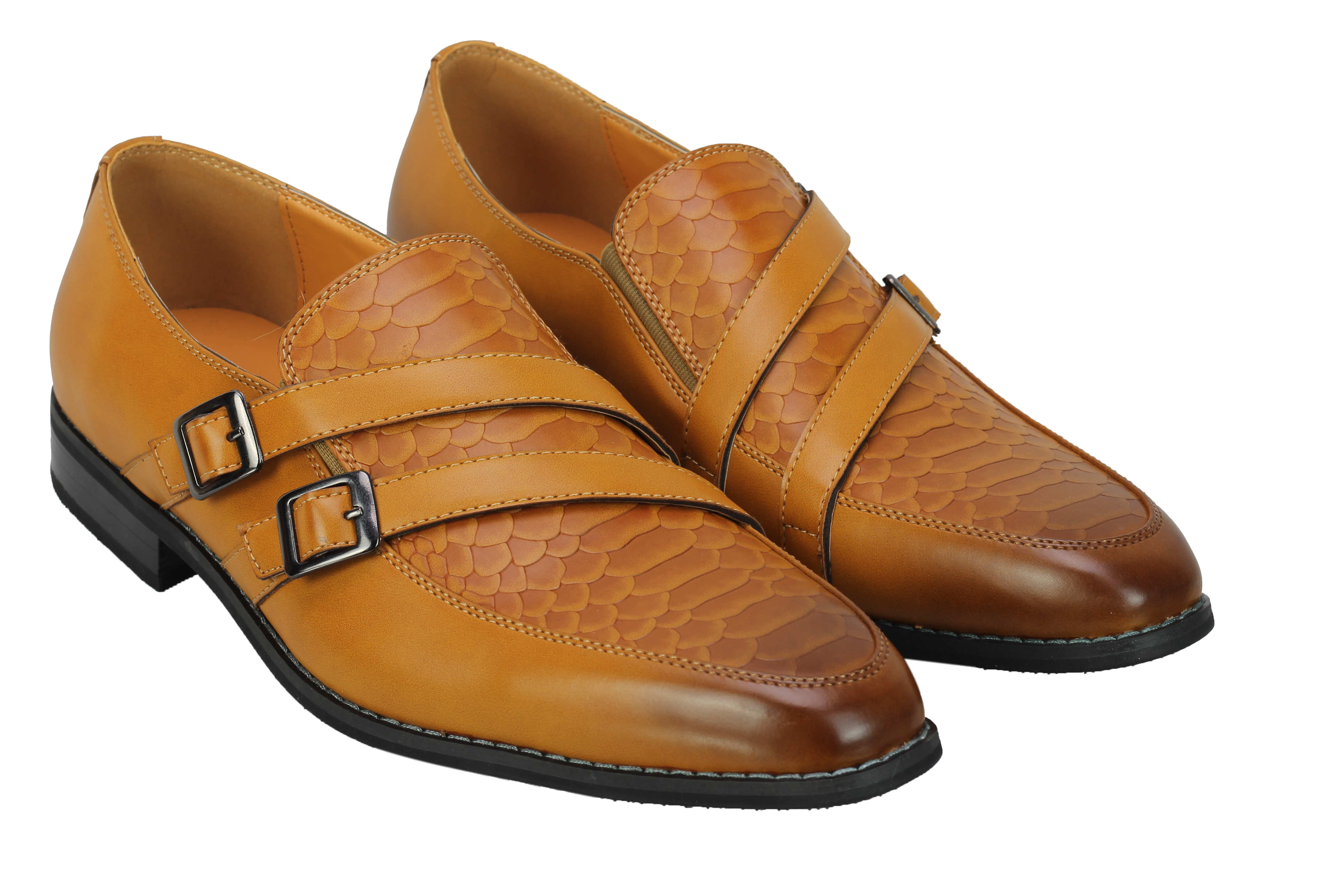
Shoes frame your outfit's silhouette. Use toe shape to adjust proportions: pointed and almond toes elongate the leg line, while round or square toes add softness or edge. The vamp (where the shoe cuts across the foot) affects visual length; lower vamps lengthen, higher vamps anchor. Choose heel height and heel shape strategically: block heels feel stable and modern, stilettos are sleek and formal, wedges add lift with comfort, and platforms reduce perceived pitch. Match chunkiness to clothing weight—bulky sneakers balance wide-leg trousers, while sleek loafers complement tailored silhouettes. Hem interaction matters: cropped pants showcase ankles and delicate straps; full-length hemlines pair best with streamlined shapes. An ankle strap can visually shorten the leg, which you can offset with nude-to-you tones or a pointed toe. For skirts and dresses, coordinate shoe volume with fabric flow. The goal is harmony—when the shoe's structure echoes your outfit's lines, the entire look feels intentional.
Dress Codes Decoded: From Casual To Polished
Context defines which shoes feel right. For casual, lean into clean sneakers, airy espadrilles, or simple sandals with supportive footbeds. Smart casual elevates the base with loafers, refined Chelsea boots, or minimal leather sneakers. Business demands structure: derbies, oxfords, elegant pumps, or low block heels in polished leather signal authority. For formal occasions, choose sleek silhouettes with subtle shine—patent finishes, satin textures, or perfectly buffed calfskin—with minimal hardware. Event surfaces matter; for garden parties or outdoor gatherings, a block heel or sturdy sole prevents sinking and adds stability. Materials help set the tone: leather reads classic, suede brings depth, canvas is relaxed, and satin feels evening-ready. Mind details like broguing, cap toes, or delicate straps, which can tilt a pair dressier or more laid-back. When uncertain, opt for quiet elegance in a versatile neutral and let grooming and posture complete the message. Comfort remains nonnegotiable—confidence fades when your feet protest.
Color And Texture: Crafting A Cohesive Palette
A smart shoe rotation starts with a neutral palette—black, brown, tan, camel, gray, navy, and off-white build flexibility across outfits. Then add accent colors that complement your wardrobe: burgundy, forest, cobalt, or blush can energize basics. Use color theory to your advantage; monochrome elongates, complementary hues create contrast, and tonal shifts feel sophisticated. Think beyond color to texture. Matte leather is understated, patent adds polish, suede lends softness, and pebbled or grained finishes add character that hides scuffs. Metallics, treated as near-neutrals, deliver interest without clashing. Animal prints and woven materials can function as pattern anchors when the rest of the outfit is simple. Consider the outfit's fabric weight and sheen—pair floaty garments with refined finishes and heavier knits with sturdier textures. Keep care in mind: darker shades disguise wear, lighter tones brighten but require maintenance. A deliberate mix of hues and finishes ensures your shoes either harmonize or hero the look by design.
Function Meets Style: Comfort For Real Life
Great design supports real life. Factor in traction, cushioning, and stability alongside aesthetics. Choose outsoles that match terrain: lug patterns for wet streets, rubber for grip, leather for sleek indoor settings. Inside, seek midsole cushioning that rebounds without feeling squishy, plus supportive insoles or a shank for under-arch stability. For long days, a moderate heel height or slight platform can reduce calf strain. Weather-ready options matter: water-resistant uppers, sealed seams, and quick-dry linings handle rain; breathable knit or perforated leather helps in heat; insulated, grippy soles support cold conditions. Socks are part of the system—merino manages moisture, cotton feels familiar, and technical blends reduce friction. For travel, prioritize versatility with pairs that dress up and down and compress easily in a suitcase. When your footwear aligns with your routine—commuting, standing, strolling—you look better because you move better, and your outfit reads as effortless instead of forced.
Care, Maintenance, And Longevity
Well-kept shoes amplify every look. Build a simple shoe care ritual: brush off dust, wipe down uppers, and condition leather to prevent cracking; for suede, use a dedicated brush and eraser; for canvas, spot clean and air dry. Apply protective sprays thoughtfully to guard against stains and moisture. Insert shoe trees to preserve shape, absorb moisture, and smooth minor creases. Rotate pairs to let materials rest and rebound, extending longevity. Address wear early: replace heel taps, add protective soles, and resole quality shoes rather than replacing them. Store in breathable bags or boxes away from heat and direct sun; maintain shape with tissue or forms. For fit tweaks, professional stretching or strategic pads can rescue near-misses. Evaluate purchases by cost per wear—durable, repairable shoes often prove more economical and sustainable than disposable bargains. With consistent care, patina and character develop, and your footwear continues to elevate outfits for seasons to come.
Building A Versatile Capsule Shoe Wardrobe
A thoughtful capsule wardrobe of shoes simplifies dressing. Start with anchor styles: a clean sneaker for casual days, a refined loafer for smart casual, a sleek dress shoe or pump for formal settings, a weather-ready boot for rough conditions, a versatile ankle boot for everyday polish, an easy flat for commuting, and a comfortable sandal for warm days. Choose core colors that echo your clothing—black or deep brown for tailoring, tan or white for light palettes, and one expressive accent shade or metallic for personality. Aim for consistent silhouettes that flatter your go-to hemlines and fits. Introduce trends through details—toe shape, texture, or hardware—so updates integrate seamlessly. Prioritize quality materials and supportive construction to ensure comfort and extended wear. As your style evolves, edit intentionally: retire pairs that no longer serve your life, and add upgrades that expand versatility. With the right foundation, every outfit finds its perfect footing.