Cultural Immersion: Travel Like a Local
Skip the tourist script. Learn phrases, ride local transit, eat at markets, and connect with communities to experience travel from the inside out.
Start with Mindful Observation
Before asking questions or pulling out your camera, begin with mindful observation. Slow your stride to match the local pace, and pay attention to how people queue, greet one another, and navigate shared spaces. Watch when cafés get busy, which benches locals choose, and how shopkeepers arrange produce by season. Small cues reveal unspoken etiquette that guide your behavior, from removing shoes at a threshold to lowering your voice in a quiet courtyard. Use all your senses: the hum of morning deliveries, the scent of fresh bread, the pattern of street sweepers marking the start of a day. Notice daily rhythms like school drop-offs, evening promenades, or market closing rituals. When you tune into context before participating, you sidestep awkward missteps and earn genuine smiles. Curiosity paired with humility opens doors; you are there to learn, not to lead. Let curiosity be your compass and observation your first language.
Language as a Bridge
Fluency is not required to build connection, but effort is. Begin with essential phrases like greetings, please, thank you, excuse me, and how much. Focus on pronunciation and tone rather than perfect grammar; kindness and patience travel farther than flawless verbs. Keep a small phrase list and practice with vendors, bus drivers, and neighbors, embracing laughter when mistakes happen. Listening is as important as speaking: pay attention to common expressions, the music of local speech, and when silence communicates respect. Learn polite forms of address and when informality is welcome. Combine words with nonverbal cues such as an open posture, a gentle nod, or a warm smile. Ask for suggestions using short, clear sentences, then follow them to show appreciation. Even five thoughtful phrases can transform transactions into conversations, unlocking invitations, stories, and tips you will never find on a map. Ultimately, language is a bridge, and each word you try lays another plank.
Eat Where Life Happens
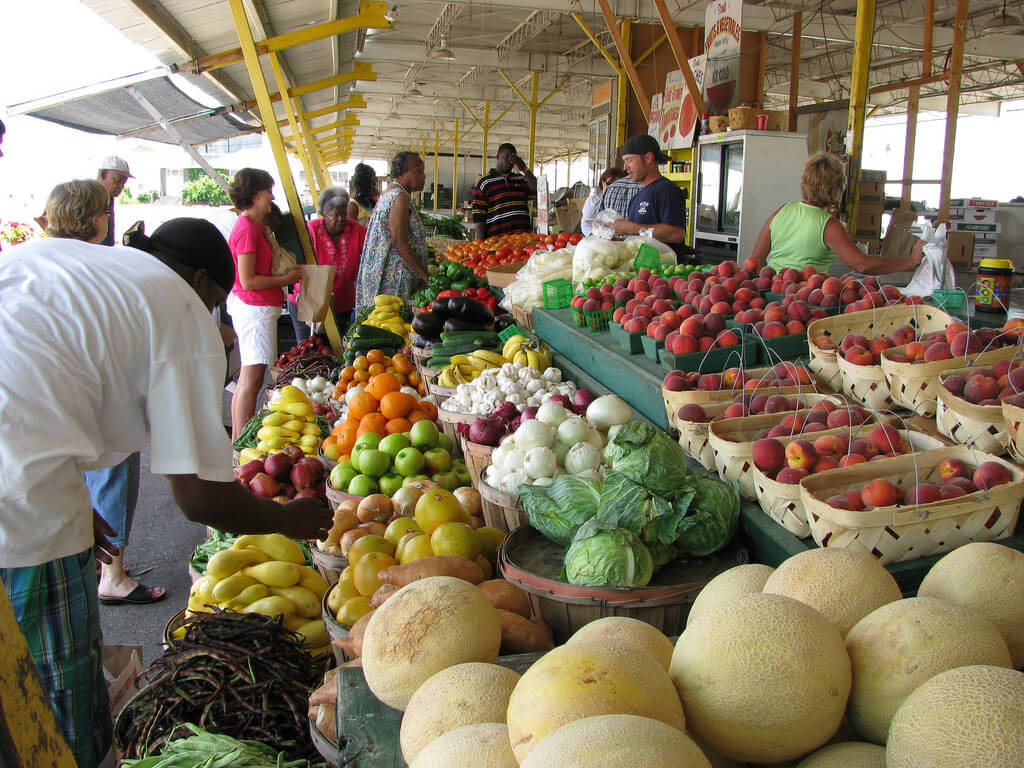
To travel like a local, chase seasonal flavors and everyday meals rather than staged dining. Stroll through morning markets to see which produce shines, ask what is freshest, and watch how regulars order. Choose family-run eateries or busy food stalls with steady turnover, clean setups, and handwritten specials. Follow the crowd at lunch hour, share a communal table if invited, and mirror the etiquette you observe: where to pay, whether to bus your tray, how to handle condiments. Be open to new textures and preparations, and ask for small portions so you can sample more. Learn the rhythm of meal times, from late breakfasts to leisurely evening spreads. When unsure, point to a neighboring dish with a smile and say you would like something similar. Celebrate simple dishes that locals crave rather than chasing the fanciest reservation. Food is a language of place; by eating where life happens, you savor authentic taste and everyday hospitality.
Move Like a Resident
Transportation tells a story about how a city breathes. Ride the tram at off-peak hours to study routes, notice seat etiquette, and read signage. Stand to the side to let people exit, keep your bag close, and observe which doors locals favor. If cycling fits the landscape, try a bike share, following commuter patterns and signaling early. Walking remains the best translator; create a walkable radius from your stay, mapping bakeries, parks, and bus stops, and blend errands into exploration. When possible, use transit passes rather than one-off rides to feel the rhythm of daily movement. Learn the unwritten rules: stand right, walk left, quiet cars, and stroller priority. Ground transport shrinks distances while magnifying detail, from corner shrines to pop-up fruit stands. As you adopt local mobility, you gain timing instincts, discover pocket neighborhoods, and witness the city's mood swings. The more you move like a resident, the more the place moves you.
Stay in Homespun Spaces
Where you sleep shapes how you see. Opt for locally owned lodging in residential areas, where doorways tell stories and mornings begin with clinking cups. Introduce yourself to hosts and neighbors, learn neighborhood routines, and ask about quiet hours, waste sorting, and courtyard etiquette. Choose accommodations with communal kitchens or patios to spark low-key chats over tea or shared fruit. Trade hotel anonymity for homey details like laundry lines, barking dogs, and the scent of simmering stews drifting across balconies. Keep noise low, respect stairwells, and leave shared spaces cleaner than you found them. Ask for recommendations beyond famous highlights: the best corner bakery, a scenic shortcut, a trusted cobbler, or a playground with shade. Staying in homespun spaces turns a map into a living network of relationships. You are not just lodging; you are participating. With respect, patience, and reciprocity, your stay becomes part of the neighborhood's own story.
Join the Calendar, Not the Checklist
Instead of racing through attractions, align with the community's calendar of life. Attend a weekend market, a neighborhood concert, a local match, or a small workshop where hands learn while hearts connect. Choose activities that value participation over performance: dance classes, cooking lessons, urban gardening days, or language exchanges. When welcomed into rituals or traditions, observe first, ask permission to join, and follow the lead of elders. Keep photography etiquette in mind; seek consent and prioritize the moment over the snapshot. Bring a small gift when appropriate, such as pastries for a host or flowers for a teacher, and offer to help clean up. Listen for stories behind events—why they matter, who organizes them, how they evolve. In doing so, you honor the past while engaging the present. You are stepping into a shared cadence, not imposing a beat. True immersion happens when you let the place set the tempo.
Decelerate for Deeper Discovery
Slow travel is not laziness; it is a strategy for deeper connection. Design an open itinerary that leaves room for detours, pauses, and serendipity. Limit major sights to a manageable number, then braid in everyday rituals: a morning walk, a visit to the bakery, a sunset bench where conversations begin spontaneously. Build buffer time around transit and meals so you are never rushing through moments that invite lingering. Choose one neighborhood to explore in layers rather than sampling ten superficially. Practice intentional wandering by following a smell, a sound, or a color that catches your eye, and let curiosity dictate your turn, not an app. Jot notes about micro-discoveries—a friendly grocer, a hidden courtyard, a busker's melody—and return the next day to deepen the thread. When you slow down, people notice. Walls come down. You trade checkmarks for meaning, and the place starts to feel like a temporary home.
Give Back and Carry It Forward
Travel like a local by practicing ethical presence. Support small businesses, pay fair prices, and tip according to custom. Choose sustainable choices such as refillable bottles, public transport, and low-waste snacks, and leave natural spaces as you found them. Ask before photographing people or private property, respect signs and sacred spaces, and honor consent as more than a courtesy. If bargaining is part of local commerce, approach it as a respectful dialogue, not a game. Say thank you with your wallet and your words: buy from artisans, hire local guides, and credit sources when you share stories. Reflect on what the place taught you—recipes, phrases, gestures—and carry those lessons forward at home. Reciprocity turns brief encounters into lasting goodwill. By giving back, you help sustain the culture that welcomed you, ensuring future travelers can also experience generosity, dignity, and genuine connection.