A Food Lover's Guide to Tasting the World
From bustling markets to kitchen tables, this guide shows you how to eat boldly, respectfully, and sustainably while tasting the world.
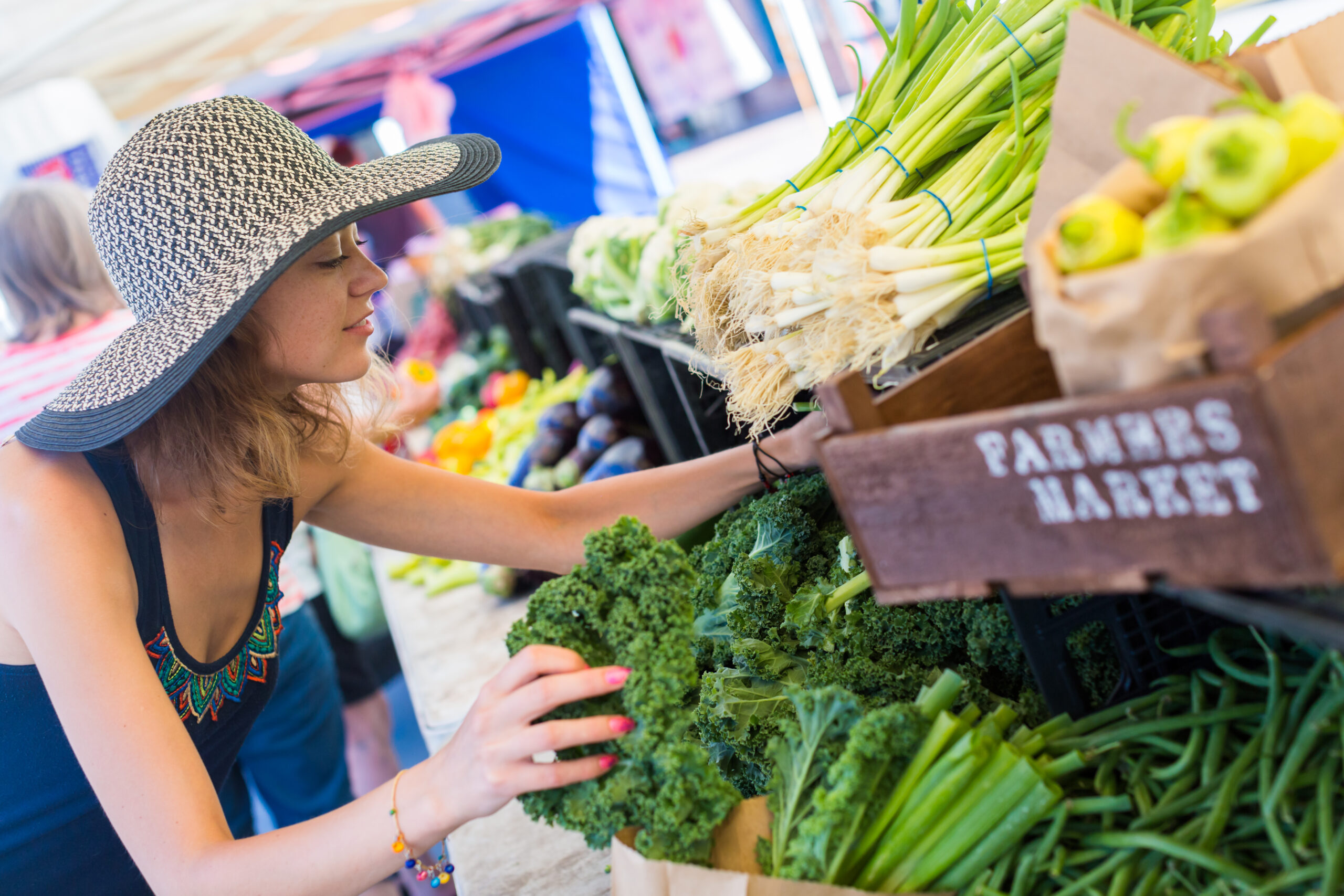
Street Markets, Your First Classroom From sunrise to late evening, the world's street markets invite you to taste culture in motion. Wander slow, let the aromas guide you, and start where locals queue; a good line is a reliable compass for freshness and trust. Watch for quick turnover, sizzling pans, and ingredients pulled from baskets moments before cooking—signs of seasonal abundance. Ask simple questions with a smile, learn the vendor's name, and try a small portion first; curiosity opens doors and extra samples. Seek out regional staples alongside unfamiliar bites: steaming dumplings, charcoal-grilled skewers, herb-laced flatbreads, and simmered stews ladled from heavy pots. Notice how textures define place—crisp, chewy, silky, or brothy. Keep napkins, hand sanitizer, and cash for small notes, and choose stalls with tidy workspaces and busy grills for better hygiene. Savor your plate standing among neighbors, then follow the crowd to a sweet finish—perhaps custard-filled pastries or shaved ice punctuated with fruit and spice. Markets teach flavors, but also rhythm, manners, and community.
Home Tables and Family-Run Eateries Some of the richest memories come from home cooking and family-run dining rooms where recipes live in hearts, not menus. Seek communal tables, lunch counters, and modest kitchens with hand-written boards; these places simmer with heritage and pride. Begin with a warm greeting, accept the host's recommendation, and share your preferences or dietary needs respectfully. If invited into a home, bring a small, thoughtful token from your journey, remove shoes if others do, and ask before taking photos. Observe the table: is bread used as a utensil, do sauces arrive before or after, is silence a compliment? Let conversation dwell on ingredients, seasons, and memories; cooks love questions about technique and tradition. Offer to help clear dishes, and remember that authenticity is less a fixed recipe than a living conversation between family, land, and time. Cooking classes and supper clubs expand this intimacy, giving you hands-on practice with spice toasting, dough shaping, and the gentle patience that makes comfort food sing.
Menu Literacy and Table Etiquette Becoming fluent in menu literacy transforms travel from guessing to guided discovery. Scan for symbols that indicate spice levels, chef specials, or vegetarian options, and note the order of courses; some cuisines serve salads last or soup first as a quiet welcome. Ask servers to explain textures and cooking methods—braised, steamed, seared, or fermented—so you can match dishes to your mood. When in doubt, start with small plates and share widely; a spread of bites multiplies learning. Mind local table etiquette: how to hold chopsticks or bread, whether to split bills, when to tip, and how to pace through lingering meals. If a dish arrives you didn't expect, treat it as a lesson; compare flavors, note garnishes, and record allergens or ingredients that surprise you. Carry a tiny notebook or use your phone to build a vocabulary list: herbs, sauces, grains, and regional cheeses. Over time, patterns emerge, and the map of a cuisine becomes as legible as a city street.
Designing a Flavor-First Itinerary Build your trip around a food itinerary that respects appetite, energy, and discovery. Mornings favor produce markets, bakeries, and coffee rituals; arrive early for warm loaves, delicate pastries, and the day's first fruits. Late mornings suit market halls and casual counters, where you can sample pickles, cured meats, olives, and cheeses. Plan a mid-afternoon snack crawl through neighborhoods known for classic street bites, then reserve dinner for a slow, soulful kitchen or a chef-owned bistro highlighting seasonal abundance. Cluster stops by walkable radius and public transport, leaving buffer time for serendipity—a street musician, a stall you smelled from a block away, a cook stirring a pot you simply must try. Pair tastings with cultural sites so flavor and context feed each other: a museum and nearby dumpling shop, a garden and tea salon. Keep a flexible budget, track cash-only spots, and star a backup option for weather or crowds. The best itineraries breathe.
Sustainable, Ethical, and Local Eating well also means eating responsibly. Choose seasonal menus, ask about local farms, and celebrate vegetables and pulses that carry lighter footprints. Favor small producers at markets, refill a bottle where safe, and carry a compact set of reusable utensils to skip disposables. Be mindful of seafood choices and avoid threatened species; vendors often know which catch is abundant. Order portions you can finish, share plates to reduce waste, and pack a small container for leftovers when appropriate. Respect cultural traditions: if a dish is ceremonial or tied to a festival, approach with humility and listen before photographing or posting. Pay fair prices without bargaining aggressively where it's inappropriate, and tip staff when custom supports livelihoods. Choose eateries that treat workers well and highlight provenance on their menus. Sustainable travel dining is a cycle of gratitude—toward farmers, cooks, servers, and landscapes—and your choices help keep beloved recipes and ecosystems thriving for future travelers.
Bringing Flavors Home The journey continues when you curate a pantry of spices, teas, vinegars, and grains that capture places on your tongue. Buy items in sealed packages, cushion jars in clothing, and label everything to remember aromas and uses. Lightweight tools like a spice grinder, hand whisk, or bamboo steamer unlock techniques learned on the road. Keep a flavor journal with tasting notes, pairings, and sketches of plating ideas; recreate street snacks for weeknight dinners and save longer stews for slow weekends. Host a small tasting with friends, serving flights of chutneys, pickles, or sauces alongside stories of vendors and neighborhoods. When adapting recipes, credit their origins, translate measurements carefully, and respect tradition while adjusting for local produce. Build a playlist of cooking sounds—sizzle, simmer, crunch—and let memory guide seasoning. Travel reshapes your kitchen: pantry shelves become postcards, and every meal an invitation to explore, share, and keep learning with humility and joy.